
How Play-Based Learning Is Changing Pre-Primary Education in Bangalore
Watch a young child for an hour and you will see learning in action. They explore, observe, ask endless questions and copy the people around them. Play is how children make sense of the world, and good early education builds on it.
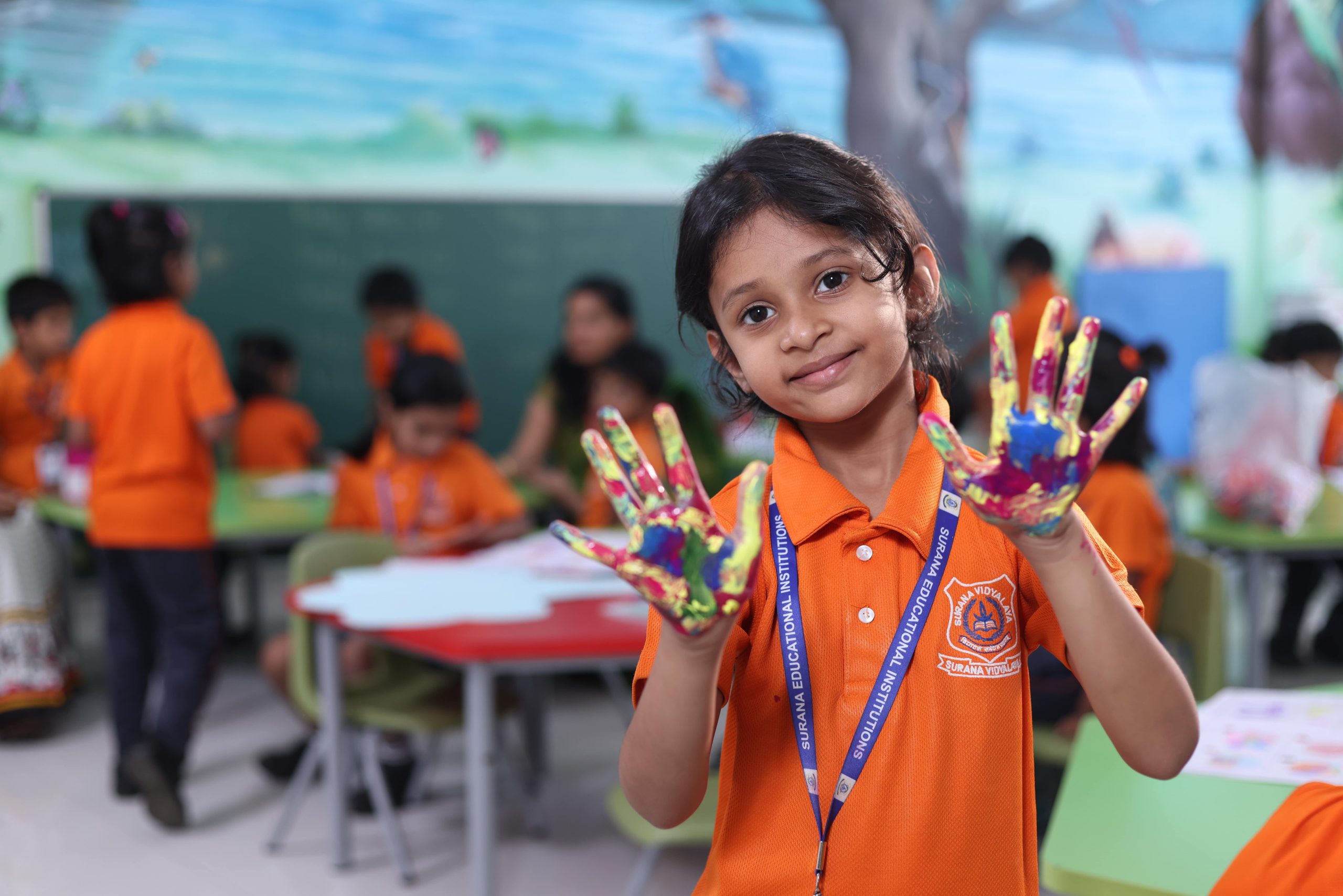
Play-based learning combines play with meaningful learning activities. Instead of long stretches of sitting and copying, children learn through stories, building, sorting, singing and pretend games, with teachers guiding the experience. The aim is to support social, emotional, physical and language development alongside early academic skills.
This guide explains what play-based learning is, how it helps children, what to look for in pre-primary schools in Bangalore and how to prepare for play school admissions. Surana Vidyalaya, a CBSE-affiliated co-educational school in Chandapura, is one school parents can explore as they begin this journey.
What Is Play-Based Learning?
Play-based learning uses purposeful activities to help children understand concepts and build skills. The activities feel like play to the child, but each one is planned with a learning goal in mind.
Learning Through Everyday Activities
Building blocks teach balance and shape. Puzzles build patience and logic. Drawing and storytelling help children put ideas into pictures and words, and pretend play lets them try out roles and situations safely.
Guided Play and Free Play
In free play, children choose what to do and how to do it. In guided play, a teacher sets up an activity that leads towards a specific objective, such as sorting objects by colour. Both matter. Free play builds independence and imagination, while guided play builds specific skills.
The Role of Teachers
Teachers in a play-based classroom observe closely, ask open questions, introduce new ideas and step in when a child needs support. They do not direct every action. Their skill lies in knowing when to guide and when to let the child explore.
How Play-Based Learning Supports Child Development
Language and Communication
Stories, songs and everyday conversations help children pick up new words and learn to express their thoughts. A child who describes what they built or drew is practising language naturally.
Early Maths and Problem-Solving
Counting toys, sorting objects, spotting patterns and finishing puzzles all introduce early mathematical thinking without worksheets.
Social Skills and Cooperation
Group activities teach children to share materials, take turns, listen to others and work together, skills that matter for every later stage of schooling.
Creativity and Imagination
Drawing, role-play, music and construction give children room to express ideas and imagine different possibilities.
Confidence and Independence
Age-appropriate activities let children make choices, try new tasks and learn from mistakes. Each small success builds confidence.
Early childhood education organisations, including NAEYC, have long highlighted the role of play in developing language, social skills, problem-solving and early learning.
How Play-Based Learning Makes Classroom Learning More Meaningful
Teachers can connect play with everyday learning goals in simple ways:
- Picture cards and storytelling introduce new words in context.
- Counting objects during an activity makes numbers concrete.
- Exploring leaves, flowers and natural materials helps children notice differences and similarities.
- Music and movement develop coordination and rhythm.
- Pretend shops let children practise counting, communication and cooperation together.
Play-based learning is not simply unstructured play. Teachers plan activities that build specific skills while giving children space to explore and take part.
What Parents Should Look for in Pre-Primary Schools in Bangalore
Choosing among the many pre-primary schools in Bangalore can feel overwhelming. These points help you compare programmes:
- Teaching methods that suit young children’s age and attention span.
- Opportunities for both indoor and outdoor play.
- Clean, safe and welcoming classrooms.
- Teachers who communicate patiently with young children.
- Activities that support language, creativity and early numeracy.
- Chances for social interaction and independent exploration.
- Regular communication between teachers and parents.
- A balanced daily routine with time for play, rest and learning.
Look beyond how bright or well-decorated a classroom appears. Ask how the school uses activities to support children’s development, and listen for specific examples.
How to Prepare for Play School Admissions in Bangalore
Planning ahead makes play school admissions in Bangalore far less stressful.
Understand the Age and Entry Requirements
Check each school’s age criteria, entry-level options and current admission requirements. These can differ from school to school and change from year to year.
Visit the School
Spend time observing the classrooms, play areas, safety arrangements and general learning environment. Notice how teachers speak to children and how children respond.
Ask About the Daily Routine
Ask how the day is divided between play, guided learning, outdoor activities, meals and rest, where applicable.
Understand the Admission Process
Confirm registration steps, required documents, fees and important dates directly with the school rather than relying on second-hand information.
Help Children Prepare for Their First Day
Talk positively about school, read together, encourage simple independent routines such as packing a bag or washing hands, and allow your child time to adjust to a new environment.
Parents can explore the Surana Vidyalaya admission page for current admission information. The school lists admissions from Pre-Nursery through High School.
The Role of Parents in Supporting Play-Based Learning at Home
Learning does not stop at the school gate. Families can support it with simple activities:
- Reading picture books together.
- Counting fruits, toys or household objects.
- Drawing, colouring and making simple crafts.
- Playing matching games and solving age-appropriate puzzles.
- Encouraging children to ask questions and describe what they observe.
- Allowing time for safe, independent play.
You do not need expensive toys or complicated activities. Cooking together, sorting laundry or walking through a park creates chances for conversation, curiosity and learning.
How Surana Vidyalaya Fits into Your Child's Early Education Journey
Surana Vidyalaya is a CBSE-affiliated, co-educational school in Chandapura, Anekal Taluk, established in 2016, with English-medium instruction. When considering the school for your child’s early years, parents may want to explore:
- Pre-primary admission options. The school lists admissions from Pre-Nursery onwards.
- The learning environment and classroom facilities.
- Teaching methods used with younger children.
- Opportunities for play, interaction and creative activities.
- Student safety and communication with families.
We recommend visiting the campus and asking the school directly how its early education programme supports play-based learning. Details such as specific teaching methods, facilities, fees and transport are best confirmed with the school itself.
Choosing the Right Start for Your Child
Play-based learning helps young children develop communication, problem-solving, creativity, confidence and social skills, and it does so in a way that feels natural and enjoyable. A good pre-primary programme combines purposeful learning with age-appropriate play, caring teachers and a safe environment.
As you shortlist schools, explore Surana Vidyalaya, review its admission information and choose the school that best meets your child’s individual needs.
Frequently Asked Questions
It is an approach in which children learn through purposeful play, exploration, games, stories and hands-on activities. Teachers plan and guide these activities towards specific learning goals.
It supports language development, early mathematical understanding, creativity, problem-solving and social skills, while also building confidence and independence.
Check the teaching methods, safety, facilities, teacher interaction, daily routine and communication with parents. Visit the school and ask how activities support children’s development.
It depends on the school. Check each school’s age requirements, application timelines and current admission availability, and start early enough to visit and compare options.
Yes. Appropriate play activities can develop early literacy, numeracy, communication, independence and the ability to take part in a classroom.
Visit the official Surana Vidyalaya admission page for current entry options, requirements and registration information, or contact the school directly.